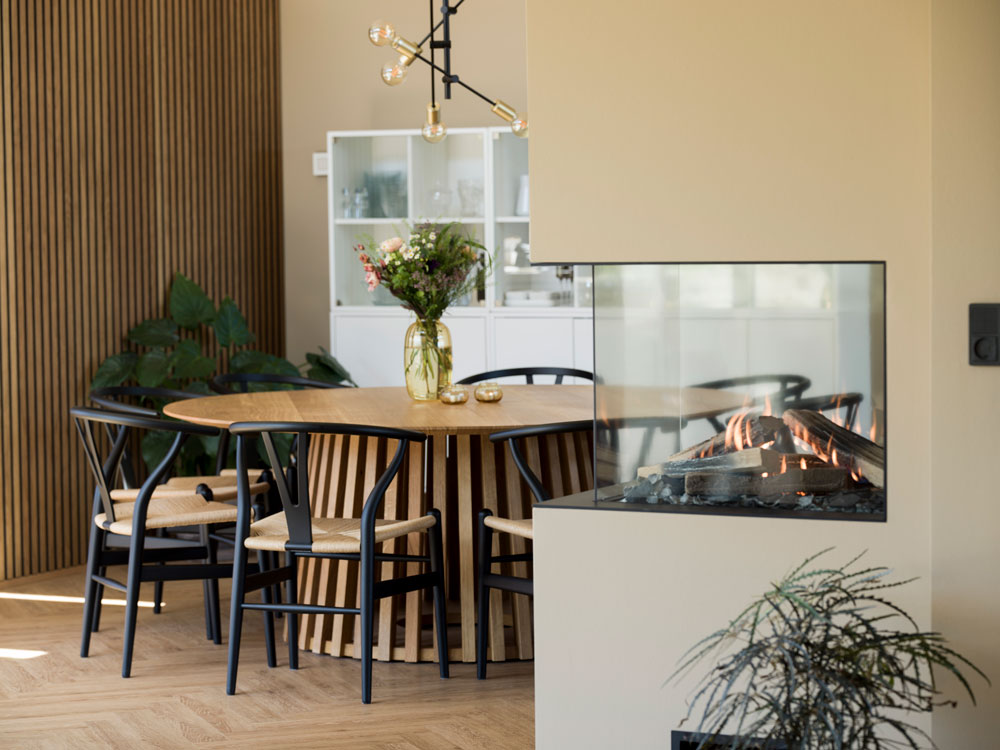
Recently I was in Skagen, at the northern tip of Denmark – see the "link" – to get some inspiration from the kitchen's wonderful interior – but that's not where it ends.
You see, Jacob gave me a recipe to take home and share with you.
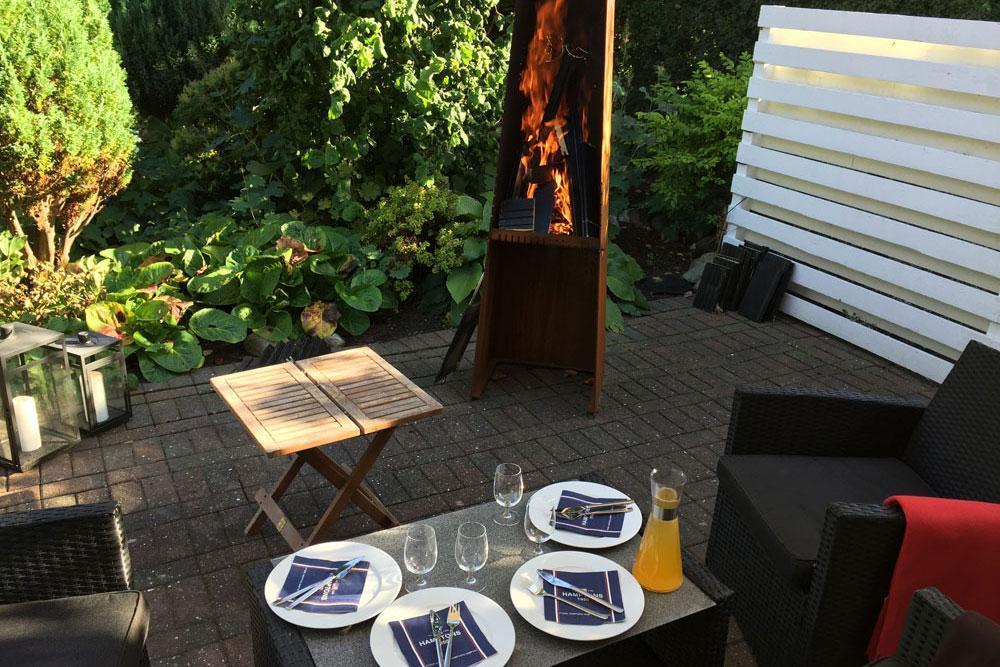
So that's what I am doing – after all, it is the season for doing a little barbecuing now and then.
It is also the season for anglerfish – it is all year round, in fact.
Anglerfish is a delicacy that you only use the tail and jaw of – about one third of the fish. Here's a look at how Jacob suggests going about it. This recipe requires some care and attention – so perhaps an evening when you have plenty of time? But worth your while, I'm sure.
If any of you manage to try the recipe before I do, please send your best tips to me here. I would love to hear from you! :)
Maybe you also have other barbecuing tips to share?
Voilà!
Grilled angler with lemon, pepper and pea risotto
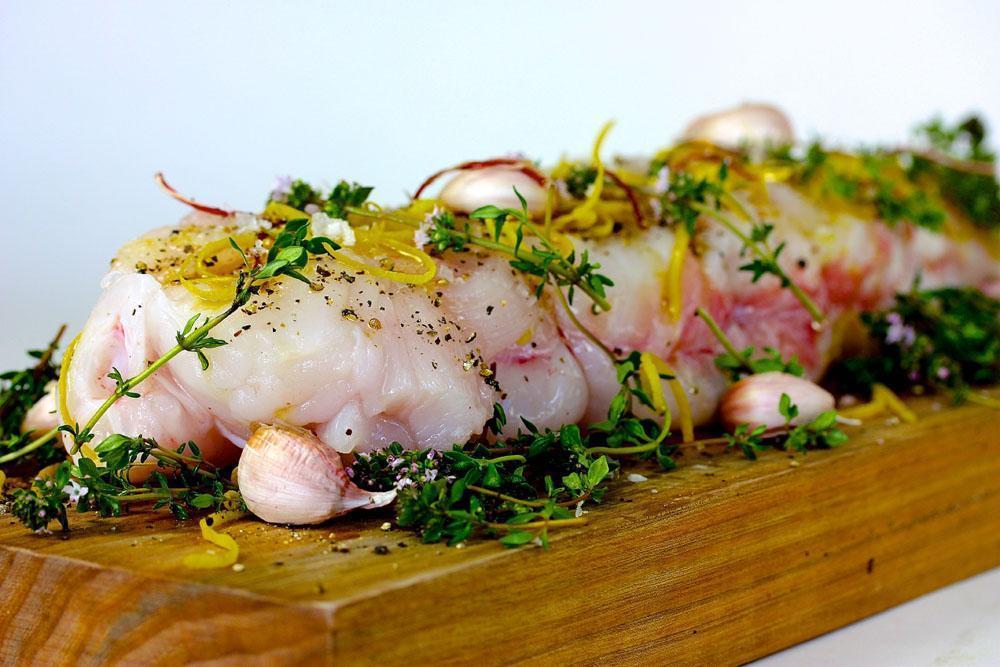
Anglerfish: Remove the outer grey skin of the tail using a sharp narrow knife. Take care not to cut off too much of the delicious white meat! Be careful and take your time. Leave the fillets on the bone. Grate the yellow rind of two two lemons and sprinkle with plenty of lemon thyme and four cloves of garlic. Drizzle on a little olive oil and sprinkle in plenty of ground black pepper. Leave the angler tail in the refrigerator to marinate a couple of hours. Grill the angler tail on hot coals until you get a nice grill pattern/sear. Next, allow it to cook on indirect heat until done – about eight to ten minutes. Pack it in tin foil and let it sit for five to eight minutes. To serve, cut off the two fillets by cutting close the bone along the entire back. Cut the two fillets into smaller pieces at the table. Season with salt and pepper.
Pea risotto: Finely chop two cloves of garlic and shallots and sauté in a pot with extra virgin olive oil until translucent. Season with salt and pepper. Wash the rice thoroughly with cold water and drain. Add the onion and sauté for one to two minutes until translucent. Add white wine and reduce to half the volume. Next, cover the rice in hot vegetable bouillon and cook while stirring. Add bouillon gradually as it is absorbed. Continue until the rice is tender but still al dente for about 12-15 minutes. It is important to stir regularly so the rice does not burn and stick to the pan. Blend the thawed peas with a little vegetable bouillon using a hand blender, until you get a coarse purée. Mix the purée into the risotto and cook through. Remove the fresh peas from their pods and add them to the mixture. Rinse the spring onions and chop them finely. Grate the parmesan finely and mix into the risotto together with mascarpone, stirring the risotto until it almost reaches boiling point. Now add butter. Season with salt, pepper and a little lemon juice. Finally, mix in a little finely chopped spring onion and chopped parsley.
Serve the dish with a simple green salad and some good bread.